It starts with something small—a slightly sagging cable run above a production line, a wire bundle that rattles against a frame, a conduit that has shifted just enough to touch a hot surface. At first glance, it seems like a housekeeping issue. But in industrial and outdoor environments, loose bundling is never just cosmetic. It can accelerate insulation wear, introduce strain on connectors, create tripping hazards, and even become a fire risk when unsecured cables drift into high-temperature zones.
If you’ve been retightening or replacing the same fasteners every maintenance cycle, the problem isn’t your process. It’s the fastener itself.
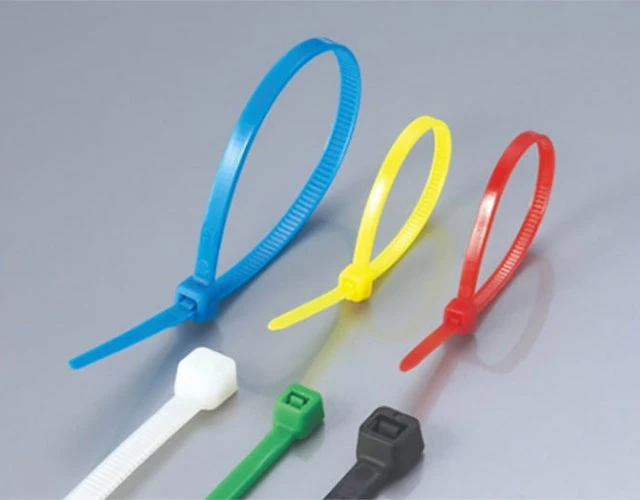
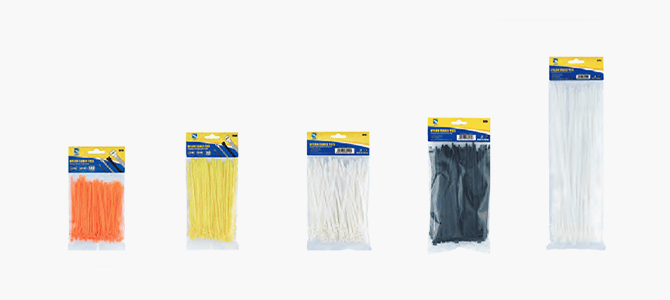
Standard nylon ties perform well inside a narrow comfort zone—indoor spaces with stable temperatures, no chemical exposure, and minimal mechanical load. Step outside that zone and three failure modes take over.
Thermal creep and embrittlement. Polyamide 6/6, the most common material for general-purpose ties, loses tensile strength rapidly as temperatures rise. At 85°C, a typical nylon tie can retain less than half of its room-temperature strength, and prolonged heat exposure permanently degrades the polymer structure. On the other end of the spectrum, cold environments make nylon brittle. The tie body can snap during installation or under dynamic load, a behaviour widely documented in polymer engineering literature (ASTM D4066 covers classification of nylon materials, and its properties shift significantly outside -40°C to 85°C).
UV and moisture degradation. Outdoor installations face relentless UV radiation. Nylon ties without advanced UV stabilisers—and even many that include them—become chalky and weak after a few years of sun exposure. Add freeze-thaw cycles with trapped moisture, and the tiny cracks that form become failure initiation points.
Vibration loosening. Machinery, heavy vehicles, and wind-loaded structures introduce continuous low-amplitude vibration. The serrated locking mechanism on most plastic ties relies on a simple pawl engagement. Under vibration, this pawl can back off incrementally, dropping the retained tension even though the tie looks intact from the outside. By the time you notice the bundle is loose, the retention force may have already fallen below safe thresholds.
Upgrading to durable metal cable fasteners eliminates all three of these failure modes in one material change. But not all metal ties are equal, and the selection process requires more than swapping plastic for metal.
The jump from nylon to metal brings a fundamentally different set of mechanical properties. The key metrics to evaluate are:
High-quality metal ties exhibit tensile strengths often exceeding 445 N (100 lbf) for light-duty versions and reaching several thousand Newtons for heavy-duty profiles. Unlike polymers, this strength does not degrade meaningfully over time under normal environmental stress. A properly installed metal tie maintains near-original loop tensile strength through its entire service life—a statement validated by long-term infrastructure studies where metal fasteners have remained in service for 20+ years without measurable loss of tension.
Metallic fastening solutions routinely operate from cryogenic conditions up to over 500°C, depending on the alloy. That margin leaves plenty of headroom for applications like exhaust system cable routing, oven wiring harnesses, and outdoor substations where summer surface temperatures can exceed 70°C on dark-coloured equipment housings.
This is where material selection becomes crucial. Type 304 alloy works well in clean atmospheric conditions and food-grade environments. Type 316, with its molybdenum addition, provides far better resistance to chlorides and is the baseline choice for marine, offshore, and chemical processing installations. For the most aggressive environments—think salt spray combined with high temperatures—high-nickel alloys like Inconel or Monel enter the picture, though the cost premium is significant.
ASTM A240 and related standards define the chemical and mechanical requirements for these materials, giving engineers a consistent specification language. If your vendor can’t provide a material test report traceable to these standards, consider it a red flag.
Choosing the right material is step one. Step two is often underestimated: the locking mechanism and installation method.
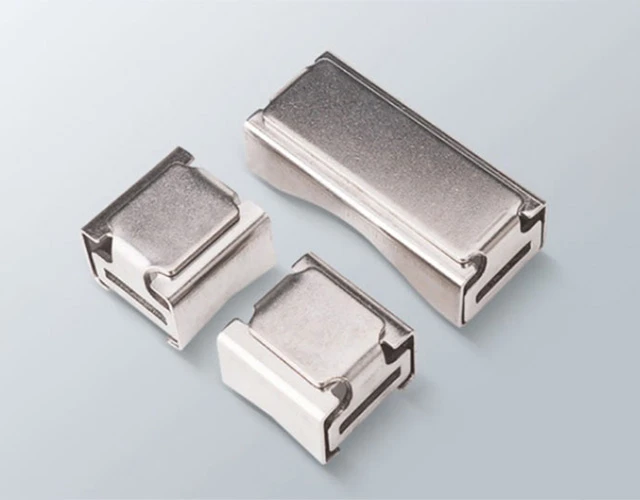
The most robust metal ties use a ball-lock or wedge-lock design in the head. As the tie is tensioned, a stainless ball or wedge deforms slightly against the strap, creating a cold-welded interference that resists vibration far better than a simple tooth-and-pawl arrangement. This is the same principle used in high-reliability aerospace fasteners. Some designs also include a protective coating over the locking head to prevent galvanic corrosion when the tie is applied to dissimilar metal structures.
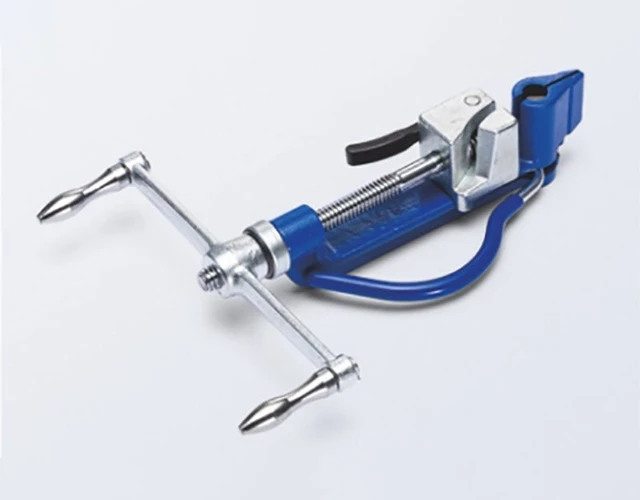
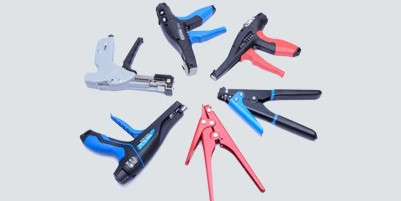
Installation tools matter just as much as the tie itself. Manual tensioning tools with adjustable force settings prevent under-tensioning (which leaves the bundle loose) and over-tensioning (which can damage cable insulation). For production environments, pneumatic or battery-powered tools speed up installation while maintaining consistent applied tension across hundreds of ties—a critical factor when standardising assembly quality.
If you are bundling cables with sensitive jackets, look for ties with a smooth inner surface or rounded edges. Adding a silicone or EPDM edge guard provides extra protection without compromising the heavy-duty fastening solution for harsh environments you are aiming for.
Not every bundle needs a metal upgrade. Here is a quick filter to decide when the investment makes sense:
Is the bundle exposed to temperatures consistently above 65°C or below -30°C? If yes, metal is strongly indicated.
Does the installation face direct sunlight or weather exposure for more than 2,000 hours per year? UV degradation alone justifies metal in many outdoor applications.
Is vibration present from machinery, wind, or vehicle movement? Any “yes” pushes toward a vibration-resistant locking system.
Would a failed tie create a safety hazard or unplanned downtime? If the answer is yes, the cost of metal ties becomes negligible against the cost of failure.
If you’ve ticked two or more of these boxes, continuing with plastic ties is a false economy. The shift to an all-weather fastening system doesn’t just solve today’s loosening problem—it removes one recurring variable from your maintenance schedule entirely.
Data from offshore wind installations and coastal infrastructure projects shows that properly selected metal ties routinely outlast the cables they secure. In salt-spray zone testing per ASTM B117, 316-grade fasteners survived 1,000+ hours with no base metal corrosion, provided they were installed correctly and not scratched during assembly. Even in direct-weathering steel mill environments, where acidic rain and airborne particulates attack most metal surfaces, the right alloy choice pushes tie life beyond a decade.
This kind of longevity shifts the economic argument. The upfront cost of metal ties is higher, but when you factor in the labour to replace failed plastic ties, production downtime, and the risk of secondary damage, the total cost of ownership tilts decisively toward metal for any non-trivial installation.
A few practical tips from field experience:
Surface preparation matters less than with adhesives, but heavily rusted or flaking structures should be cleaned to ensure consistent strap contact.
Tension calibration is worth the effort. Use a calibration mandrel to confirm your tool is delivering the specified tension. Over-tensioning is the single most common installer error with metal ties.
Inspection intervals can be extended, not eliminated. Even the best metal tie should get a visual check during routine maintenance—look for signs of unexpected wear at contact points or shifting of the bundle.
If you are looking for a more curated approach to specification, ETL’s engineered metal tie range offers a structured product line with clear technical data that maps directly to the selection criteria covered in this article. This lets you move from generic online searching to a defined shortlist matched to your operating conditions.
ASTM D4066 — Standard Classification System for Nylon Injection and Extrusion Materials
ASTM A240 — Standard Specification for Chromium and Chromium-Nickel Stainless Steel Plate, Sheet, and Strip for Pressure Vessels and for General Applications
NACE Corrosion Engineer’s Reference Book for material selection in specific chemical environments
Disclaimer: This article provides general information and should not be taken as engineering advice for any specific installation. Always verify material compatibility with your operating environment and follow relevant codes and standards.


 中文
中文 English
 Pусский
 Français
 Español