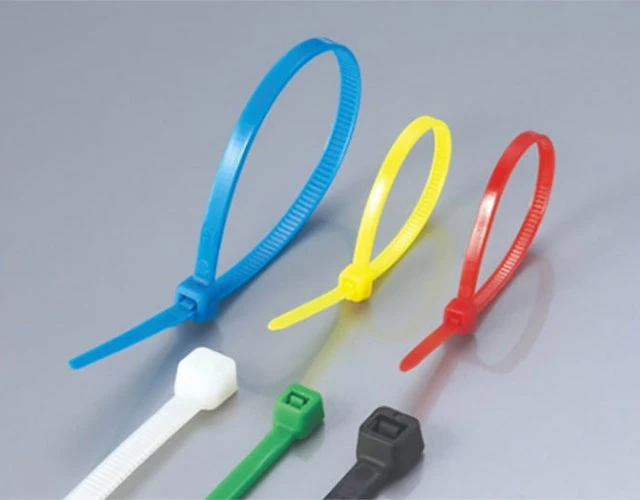
It’s a scene you’ve probably witnessed: a neatly routed cable bundle on a rooftop, solar array, or garden fence, only for the fasteners to snap and crumble after a single summer. That tidy installation becomes a maintenance headache. In many cases, the hidden culprit is UV radiation silently degrading the plastic. If you’re relying on standard fastening products outdoors, you’re gambling with long‑term reliability. The good news is that choosing a durable solution isn’t a mystery — it just requires knowing what to look for beneath the surface.
Most general‑purpose fasteners are molded from polyamide 66, a material valued for its strength and flexibility indoors. Outdoors, however, the same polymer becomes a victim of photo‑oxidation. When ultraviolet light strikes unprotected polyamide, it triggers a chain reaction that breaks polymer bonds, causing the material to lose tensile strength, become brittle, and eventually disintegrate. According to weathering data from accelerated laboratory tests (for example, QUV testers operating under ASTM G154 conditions), an unstabilized polyamide tie can lose over 50% of its initial tensile strength within as little as 500 to 600 hours of exposure — equivalent to just a few months of summer sun in many regions.
The speed of this degradation depends on geography, mounting orientation, and the presence of heat or moisture. Yet many installers still grab whatever black fastener is on the shelf, assuming colour alone offers protection. That assumption is where outdoor reliability often dies.
It is a common industry belief that a black tie is automatically UV‑resistant. While carbon black is indeed a powerful UV absorber and free‑radical scavenger, its presence inside the polyamide matrix is not a binary pass or fail. Protection depends on carbon black particle size, loading (typically 2–2.5% by weight), and — critically — dispersion quality. Poorly dispersed carbon black creates stress‑concentrating agglomerates that actually weaken the part, and some low‑cost black ties are coloured with dyes that offer zero UV protection.
This means you cannot judge UV resistance by eye. A glossy black tie might degrade as fast as a natural‑colored one if it lacks the right stabilization package. Reputable manufacturers will therefore specify “UV‑stabilized” explicitly and back it up with test evidence, rather than leaving the customer to infer quality from shade alone.
When evaluating an outdoor fastening product, move beyond the datasheet blurbs and request these five technical proof points. They form the foundation of any reliable selection.
Material grade and stabilization technology
Ask for clear identification of the base polymer (typically PA66) and the type of UV stabilization used. Hindered amine light stabilizers (HALS), properly dispersed carbon black, or a combination are common. If the material sheet merely says “nylon,” press for specifics.
Accelerated weathering test protocol
Insist on exposure testing under international standards such as ISO 4892‑2 (xenon‑arc) or ASTM G155. The best practice is to test the whole finished fastener, not just a resin plaque, because geometry and processing can influence crack formation.
Mechanical property retention after aging
A meaningful test report will show tensile strength retention and elongation at break after exposure. Look for a minimum of 70% tensile strength retention after 1,000 hours of xenon‑arc testing, and ensure the product still displays some ductility — an aged tie that snaps with a single bend is a failure waiting to happen.
Temperature performance envelope
Outdoor installations must handle cold morning brittleness and midday heat. A robust specification will list a service temperature range, frequently from –40 °C to 85 °C or wider. This is especially critical in solar, telecom, and agricultural applications.
Third‑party regulatory approval
For professional installations, look for compliance marks that address UV resistance directly. UL 62275, the standard for cable management hardware, contains a specific UV exposure test (clause 5.10). Products tested by notifying bodies such as UL, TÜV Rheinland, or Intertek provide an extra layer of trust.
When a supplier makes this information readily available, it signals they have invested in engineering — not just in colouring their product black. For a quick comparison, you can review the published specifications of a manufacturer that openly shares its test data with customers.
A test report full of irradiance numbers and black‑panel temperatures can look intimidating, but a few key checkpoints separate a serious test from a cosmetic assurance.
First, identify the light source. Xenon‑arc lamps (ISO 4892‑2) reproduce the full solar spectrum, including UV, visible, and infrared. Fluorescent UV lamps (ISO 4892‑3) are cheaper but miss longer wavelengths that can contribute to heat aging. For outdoor fastenings, xenon‑arc is the more realistic simulation.
Second, check whether the report measures mechanical properties or merely colour change. Some suppliers quote ΔE colour values, proud that the tie didn’t fade, yet the material may be embrittled. Only tensile strength, elongation at break, and impact resistance after exposure tell you whether the fastener will still do its job.
Third, look for batch traceability. Leading manufacturers test samples from production lots periodically, not just a single golden sample. If a test report doesn’t list a batch number or production date, treat it as indicative at best.
Armed with this knowledge, many engineers choose to skip the detective work and seek out a supplier that has already pre‑qualified its outdoor products to these rigorous norms. You can explore a range that already meets these criteria and comes with full compliance documentation.
Even the finest UV‑stabilized fastener can be undermined by installation errors. Field experience shows three frequent pitfalls:
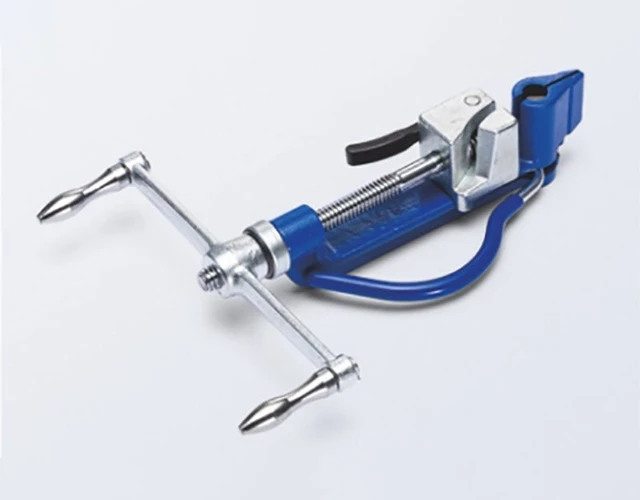
Overtensioning during installation: Pulling the tie too tight, especially in cold weather, creates micro‑cracks at the locking pawl that grow under thermal cycling and UV attack. Use a calibrated tensioning tool when possible, or simply let the tie hold the bundle with a slight, even pressure — not a garrotte.
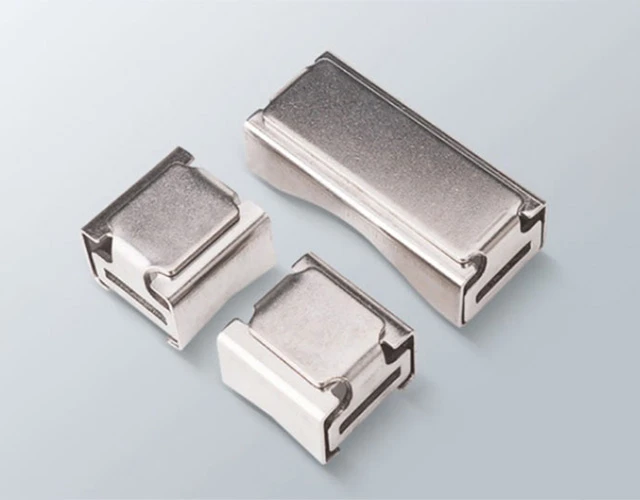
Ignoring metal components: In marine or industrial atmospheres, a 316 stainless steel barb is far more resilient than standard carbon steel or lower‑grade stainless. Ensure the tie’s internal metal tooth is specified for the corrosion class of your site (e.g., ISO 9223 C4 or C5).
Assuming one size fits all: A tie designed for a 50 mm bundle won’t perform well on a 4 mm wire. The bending radius of the strap inside the head affects stress distribution. Always match the minimum and maximum bundle diameter to the manufacturer’s guidelines.
These field insights are echoed by a major European solar EPC contractor, which reported a 40% reduction in cable‑tie‑related call‑backs after switching to a pre‑qualified UV‑resistant product and training crews on tensioning.
Many outdoor applications — from 5G tower cabling to agricultural netting — demand more than a generic “outdoor” label. They require a documented chain of quality that starts with resin selection and ends with batch‑specific test reports. While regular nylon cable ties can fail in weeks under relentless sun, a properly engineered UV‑stabilized product is a long‑term investment in reliability.
If your next project cannot afford unscheduled maintenance or safety risks from brittle fasteners, you might consider a supplier whose product data is transparent and whose range is built for severe outdoor duty. ETL, for instance, develops their fastening products with high‑grade, UV‑stabilized polyamide and subjects them to batch‑level testing against ISO and UL weathering standards. This means the tensile retention and flexibility numbers you see on paper are traceable to the box you install. Browse their outdoor-grade tie collection and compare the full technical specs — it can save a great deal of troubleshooting down the line.


 中文
中文 English
 Pусский
 Français
 Español