If you’re deciding between metal and plastic fastening solutions, here’s the straight answer: in extreme temperature cable management, corrosive industrial environments, or UV-exposed outdoor installations, Naked Stainless Steel Cable Ties consistently outperform nylon. According to UL Solutions and ASTM International material guidelines, nylon begins to degrade under prolonged UV exposure and elevated heat, while stainless steel maintains structural integrity across a far wider range. For buyers dealing with failure risk, this isn’t a theoretical distinction—it’s an operational reality.
The mistake many procurement teams make is assuming all cable ties fail the same way. They don’t.
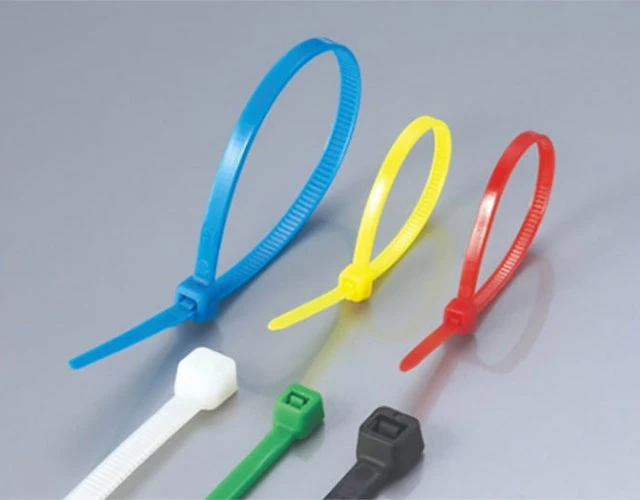
In high-load cable bundling applications, nylon typically fails due to:
Stainless steel, by contrast, rarely “snaps.” It fails only when:

That difference alone explains why maintenance teams in oil rigs or rail systems rarely rely on plastic in critical zones.
Let’s talk about environment—not theory.
Nylon ties—especially standard PA66—start losing mechanical strength around 85–100°C. In contrast, heat-resistant cable fastening solutions made from stainless steel can tolerate several hundred degrees without deformation.
This makes a difference in:
Sunlight is slow, but relentless.
Over time, UV-resistant cable tie alternatives become necessary because:
Stainless steel doesn’t care about sunlight. It simply reflects it.
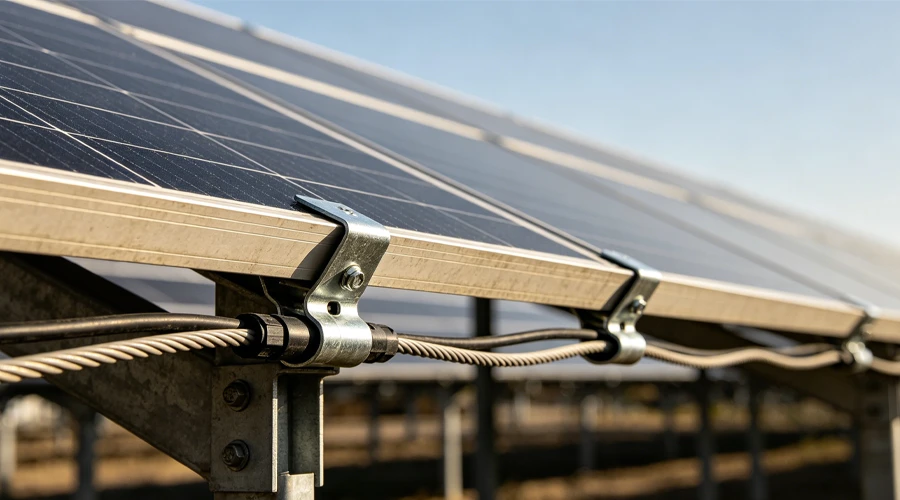
In corrosion-resistant cable management systems, nylon absorbs moisture and can degrade when exposed to oils, solvents, or salt spray.
Stainless steel—especially 316 grade—offers:
If your installation is near the ocean or inside a factory handling aggressive fluids, material choice quickly becomes a cost issue—not just a technical one.
Here’s where things get interesting.
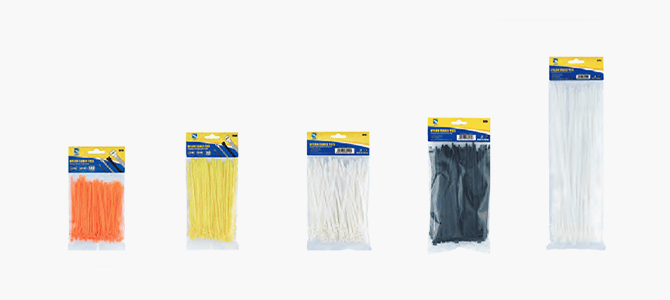
Nylon wins on:
But stainless steel wins on:
In industries where shutdown costs are measured per hour, not per day, reliability tends to outweigh convenience.
At this evaluation stage, many engineers start comparing structural specs and lifecycle costs. If you want to check detailed specifications, it’s worth reviewing load ratings, coating options, and locking mechanisms before deciding.
Let’s strip away marketing and look at practical deployment:
| Scenario | Better Choice |
|---|---|
| Indoor office wiring | Nylon |
| Temporary cable bundling | Nylon |
| High-temperature industrial zones | Stainless steel |
| Outdoor infrastructure projects | Stainless steel |
| Marine or chemical plants | Stainless steel |
The dividing line is simple: environmental stress level.
In rail infrastructure projects I’ve observed, cable ties are exposed to vibration, rain, and seasonal temperature swings. Nylon ties often need replacement within maintenance cycles.
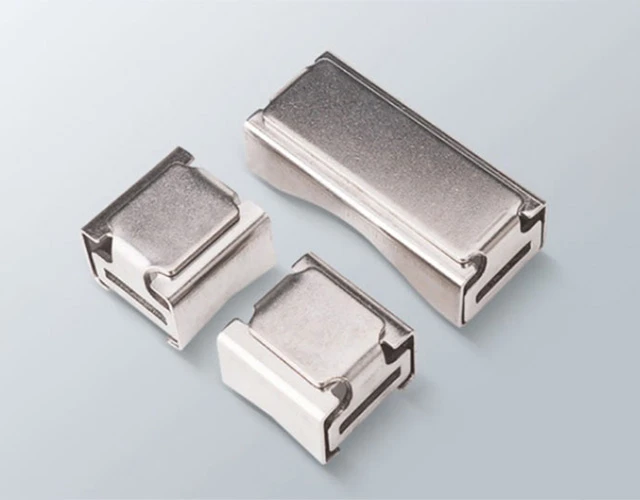
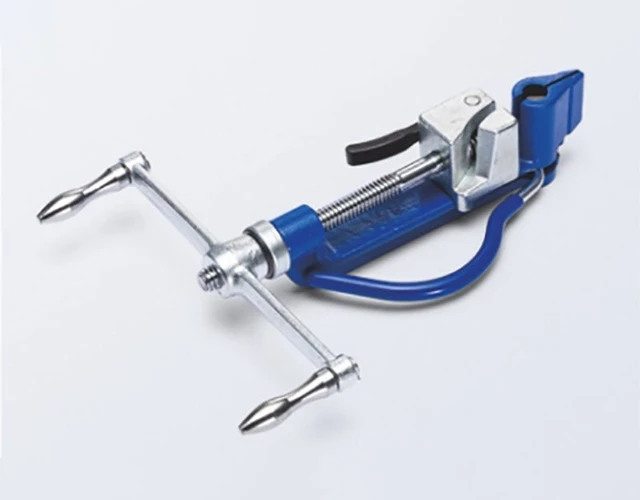
This is where Naked Stainless Steel Cable Ties come into play—not as a luxury, but as a necessity.
They provide:
Compared to coated metal ties:
Compared to nylon:
If you’re evaluating options for a long-term installation, you can explore application scenarios to see how different industries deploy these solutions.
Most failures I’ve seen weren’t due to material—they were due to poor specification.
What actually matters:
Suppliers like ETL typically offer:
And this is where experienced buyers gain an edge—by treating cable ties as engineered components, not accessories.
Nylon isn’t obsolete. It’s just misunderstood.
For low-stress environments, it’s efficient and cost-effective.
But in harsh conditions—heat, UV, chemicals, vibration—Naked Stainless Steel Cable Ties consistently deliver where plastic cannot.
The real question isn’t “Which wins?”
It’s: What happens if it fails?
Answer that honestly, and the right choice usually becomes obvious.


 中文
中文 English
 Pусский
 Français
 Español