Stainless steel cable ties have become an integral component across numerous industries due to their superior strength, reliability, and resistance to extreme conditions. As a product known for its durability and versatility, brands like ETL continue to innovate and provide high-quality solutions to meet industry demands. This article explores the benefits of stainless steel cable ties, their applications, and strategies for optimizing their use in various sectors.
Stainless steel cable ties are designed to withstand harsh environments, including extreme temperatures, UV exposure, and corrosive conditions. This makes them ideal for industries such as construction, marine, oil and gas, and automotive. Unlike plastic alternatives, stainless steel ties do not degrade over time, ensuring long-term reliability.
These cable ties can securely hold heavy loads without breaking or stretching. Their high tensile strength makes them suitable for bundling large cables, securing heavy equipment, or organizing infrastructure in demanding environments.
Made from high-grade stainless steel, these ties resist rust and corrosion even when exposed to moisture or chemicals. This property ensures longevity and reduces maintenance costs in industries requiring robust solutions.
Stainless steel cable ties are non-flammable, making them a safer choice in environments where fire hazards are a concern. Their ability to retain integrity under high heat adds an extra layer of security.
From industrial applications to household projects, stainless steel cable ties offer versatility. They are available in various sizes, lengths, and locking mechanisms to cater to diverse needs.
In construction projects, stainless steel cable ties are used to secure scaffolding, bundle cables, and organize wiring systems. Their resistance to weathering ensures stability and safety over extended periods.
The marine environment is highly corrosive due to saltwater exposure. Stainless steel cable ties are indispensable in securing components on ships, docks, and underwater installations.
In this industry, where equipment is exposed to extreme heat and chemical exposure, stainless steel cable ties provide a reliable solution for bundling cables and securing pipelines.
The automotive and aerospace industries require materials that can withstand vibration, temperature fluctuations, and mechanical stress. Stainless steel cable ties meet these requirements while ensuring secure fastening.
Solar panels, wind turbines, and other renewable energy systems often operate in harsh outdoor conditions. Stainless steel cable ties help in organizing cables and ensuring system efficiency.
Optimizing the Use of Stainless Steel Cable Ties
To maximize the benefits of stainless steel cable ties, consider the following best practices:
Different grades of stainless steel offer varying levels of corrosion resistance and strength. For example, 304-grade is suitable for general use, while 316-grade is ideal for highly corrosive environments like marine applications.
Using the correct size of cable tie ensures secure fastening without overloading the tie's capacity. Measure the bundle diameter accurately before selecting a tie.
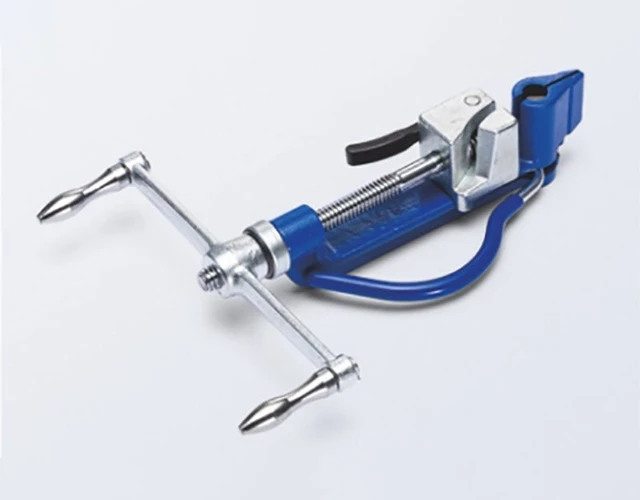
Specialized tools designed for stainless steel cable ties can ensure proper tensioning and secure locking. These tools also reduce the risk of injury during installation.
Periodic inspections help identify any wear or damage to the cable ties, ensuring timely replacements and maintaining system safety.
Choosing reputable brands like ETL guarantees high-quality products that meet industry standards. Reliable manufacturers often provide a range of options tailored to specific requirements.
Stainless steel cable ties are a vital asset across various industries due to their durability, strength, and resistance to challenging conditions. By understanding their benefits and implementing best practices for their use, businesses can enhance operational efficiency and reduce maintenance costs. As brands like ETL continue to innovate in this space, the future of stainless steel cable ties promises even greater performance and adaptability in meeting industry needs.


 中文
中文 English
 Pусский
 Français
 Español