When outdoor pipe fastening fails, the consequences can be serious: loose insulation, damaged cables, or even pipe rupture. Yet this critical task is often overlooked until something goes wrong.
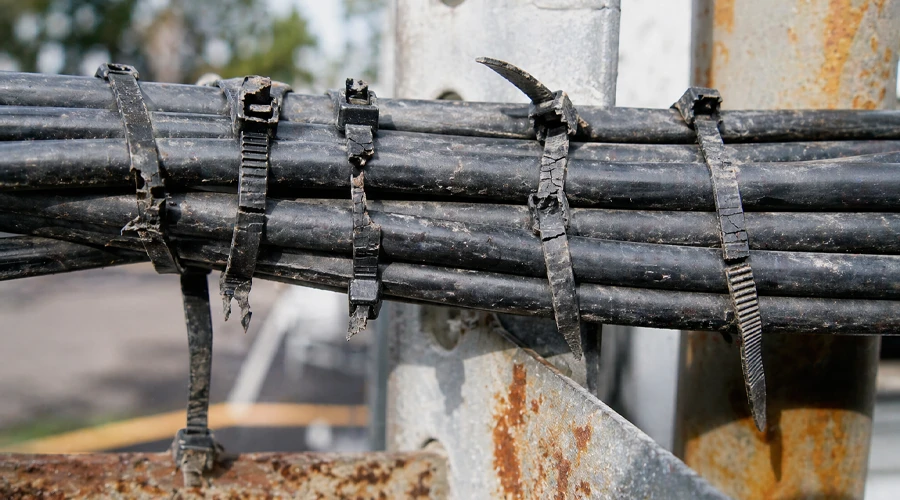
For facility managers and maintenance engineers, the challenge isn’t just tying things up. It’s keeping them fastened for years under sun, rain, temperature swings, and vibration. So what actually works? And what common mistakes should you avoid?
Let’s break it down.
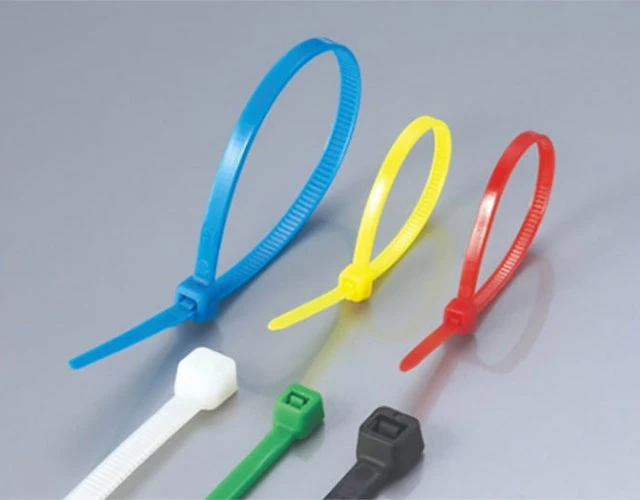
Standard nylon cable ties are convenient indoors. But outdoors, they degrade faster than most people expect. Ultraviolet radiation breaks down polymer chains. Moisture seeps into microscopic cracks, freezes, and expands. Within 12 to 18 months, many nylon ties become brittle and snap under minimal load.
According to a 2022 field study published in Journal of Materials in Civil Engineering, over 60% of nylon-based strapping failures in outdoor utility installations occurred within the first two years of service. The primary cause: UV-induced embrittlement combined with thermal cycling.
So if nylon isn’t the answer for outdoor pipe fastening, what is?
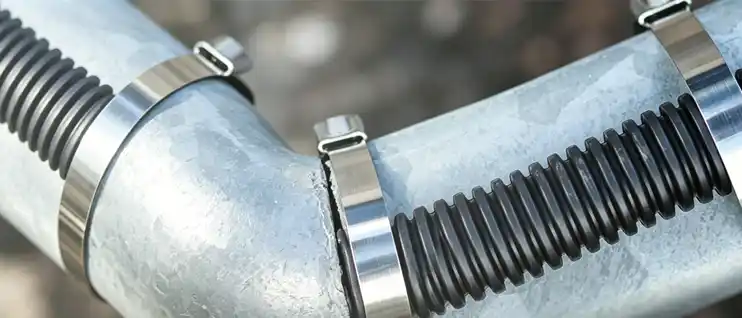
For permanent or semi-permanent outdoor applications, metal strapping — specifically stainless steel — offers a completely different performance profile. Unlike polymers, stainless steel does not rely on UV stabilizers. It resists corrosion, handles extreme temperatures, and maintains clamping force over time.
But not all metal ties are equal. Key factors to evaluate include:
Material grade: 304 stainless steel suits general outdoor use. 316 grade offers better chloride resistance (ideal for coastal or industrial environments).
Coating type: Some ties add PVC or epoxy coatings for extra electrical insulation or to prevent galvanic corrosion when contacting dissimilar metals.
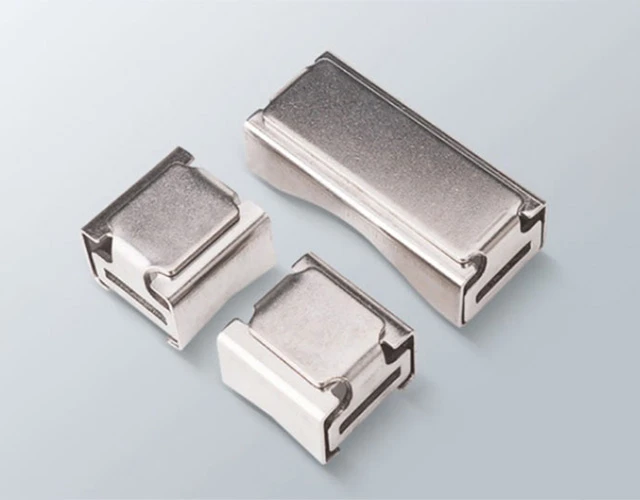
Locking mechanism: Ball-lock designs provide consistent tension; stepped or self-locking variants suit different installation tools.
A common industry recommendation comes from the American Society of Mechanical Engineers (ASME) guidelines for pipe supports: for outdoor exposed piping systems, metallic strapping should meet minimum tensile strength of 200 lbs and pass 500-hour salt spray testing per ASTM B117. This ensures the solution survives real-world conditions — not just lab specs.
Even with the right materials, installation errors can ruin reliability. Here are three frequent mistakes observed across industrial sites:
Over-tightening – Crushing pipe insulation or deforming soft tubing. The goal is snug, not cutting.
Ignoring edge protection – Sharp corners on brackets or pipe hangers can abrade strapping over time. A simple protective sleeve or bushing extends life significantly.
Mixed material contact – Direct contact between stainless steel ties and galvanized pipes can accelerate galvanic corrosion in wet environments. Use isolating pads or coated ties.
“We saw a 40% reduction in rework after switching to a consistent strapping protocol and training crews on edge protection,” a maintenance lead from a Midwest chemical plant recently shared in an industry forum.
If you’re planning a new outdoor pipe fastening setup, consider this sequence:
Step 1 – Clean the surface
Remove dirt, oil, or loose rust where the tie will contact the pipe.
Step 2 – Position without twisting
Lay the tie flat around the pipe and support structure. Twisted ties create stress points.
Step 3 – Tension gradually
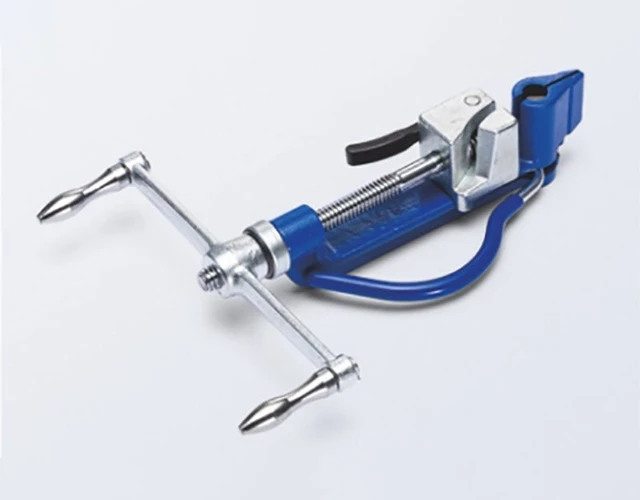
Use a proper tensioning tool if available. Hand-pulling often leads to inconsistent force.
Step 4 – Cut flush
Leave no sharp protruding edges. These can injure workers or damage nearby cables.
Step 5 – Document and inspect
Mark installation date and planned inspection interval (e.g., every 12 months for critical lines).
Not every outdoor pipe needs metal ties. Temporary setups or short-term projects may still use UV-rated nylon. But for the following scenarios, metallic strapping becomes the more economical choice over time:
Pipes exposed to direct sunlight for more than six months
Installations near saltwater, chemical vents, or high-humidity zones
Systems where a single failure could cause costly downtime or safety risks
In these cases, the total cost of ownership often favors stainless steel solutions, even with a higher upfront material cost.
Once you’ve decided on stainless steel ties for your outdoor pipe work, the next question is: where to find consistent quality? Not all suppliers maintain the same manufacturing tolerances. Look for clear material certifications, batch traceability, and corrosion test reports.
For professional projects requiring long-term outdoor pipe fixation, check the detailed specifications and test data of stainless steel cable ties from ETL to see how different widths, lengths, and coating options match your actual pipe diameter and environmental rating. ETL specializes in industrial-grade strapping solutions widely used in solar farms, petrochemical trestles, and coastal infrastructure.
If your team handles multiple outdoor installations per year, standardizing on a single reliable strapping platform simplifies inventory and training. It also ensures consistent inspection criteria across different sites.
Effective outdoor pipe fastening isn’t about the tightest tie — it’s about the right material, correct installation discipline, and realistic maintenance expectations. Nylon has its place, but for exposed, permanent, or critical pipework, stainless steel strapping eliminates the most common failure modes.
Before your next outdoor project, take 15 minutes to review your existing strapping specifications. One small change in material selection today could prevent a pipe hangar collapse three winters from now.
Now ask yourself: when was the last time you inspected the ties holding up your outdoor piping?


 中文
中文 English
 Pусский
 Français
 Español