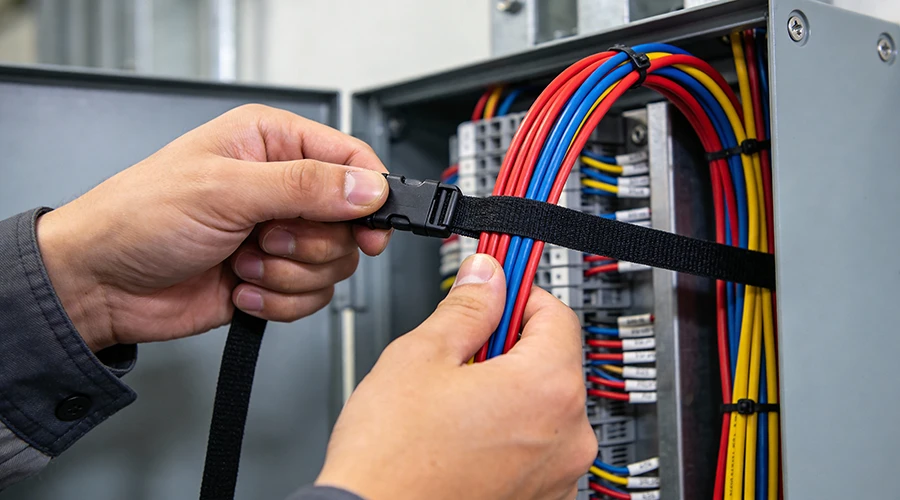
In today's fast-paced world, efficient cable management is essential for maintaining organized and safe environments. Self-locking cable ties have emerged as the go-to solution for professionals and DIY enthusiasts alike, offering a reliable and cost-effective way to bundle and secure cables, wires, and other materials.
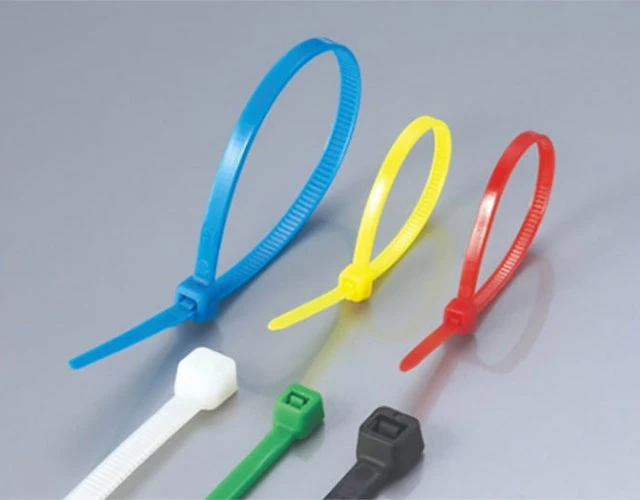
Self-locking cable ties, also known as zip ties or cable ties, are plastic fasteners designed to securely hold items together. They consist of a flexible nylon strap with teeth along one side and a locking head at one end. When the strap is pulled through the locking head, the teeth engage with a pawl inside the head, creating a secure and permanent hold that cannot be easily released without cutting the tie.
Most self-locking cable ties are made from high-quality Nylon 66, a premium-grade engineering polymer that offers exceptional tensile strength, flexibility, and resistance to chemicals, abrasion, and UV radiation. This makes them suitable for use in a wide range of environments, from indoor electrical installations to outdoor construction projects.
The self-locking design of these cable ties ensures that once they are tightened, they remain securely in place. The teeth on the strap engage with a pawl inside the locking head, creating a ratcheting effect that prevents the tie from loosening over time. This makes them ideal for applications where a permanent hold is required.
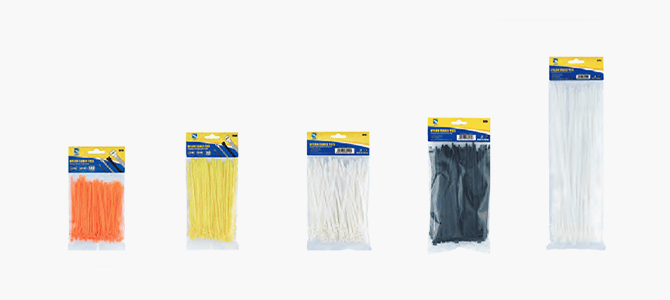
Self-locking cable ties are available in a variety of sizes, lengths, and colors to suit different applications. From small 60mm ties for bundling thin wires to large 1220mm ties for securing heavy-duty cables, there is a cable tie to meet every need. Additionally, they come in a range of colors, including natural, black, and UV-stabilized black, allowing for easy color-coding and identification.
Many self-locking cable ties are UL-certified, meaning they have been tested and approved by Underwriters Laboratories for safety and performance. UL certification ensures that the cable ties meet strict industry standards for flammability, electrical insulation, and mechanical strength, making them a reliable choice for use in electrical and electronic applications.
Self-locking cable ties are widely used in the electrical and electronics industry for bundling and securing wires, cables, and components. They help to organize and protect electrical installations, reducing the risk of short circuits, fires, and other hazards.
In the construction industry, self-locking cable ties are used to secure pipes, conduits, and cables, ensuring that they remain in place during construction and throughout the life of the building. They are also used to bundle and secure construction materials, such as rebar and scaffolding.
Self-locking cable ties are used in the automotive and transportation industry for a variety of applications, including securing wiring harnesses, hoses, and cables in vehicles, boats, and aircraft. They help to reduce noise and vibration, improve fuel efficiency, and enhance the overall safety and reliability of the vehicle.
In industrial and manufacturing settings, self-locking cable ties are used to bundle and secure materials, components, and products during production, storage, and transportation. They help to improve efficiency, reduce waste, and ensure that products are delivered in good condition.
Self-locking cable ties are also useful for home and office organization. They can be used to bundle and secure computer cables, TV wires, and other household items, helping to create a clean and clutter-free environment.
The first step in choosing the right self-locking cable ties is to consider the application. Different applications require different types of cable ties, depending on factors such as the size and weight of the items being bundled, the environment in which they will be used, and the level of security required.
The size and length of the cable ties should be chosen based on the diameter of the bundle and the amount of excess length needed to ensure a secure hold. It is important to select cable ties that are long enough to wrap around the bundle and allow for a few inches of excess length to be pulled through the locking head.
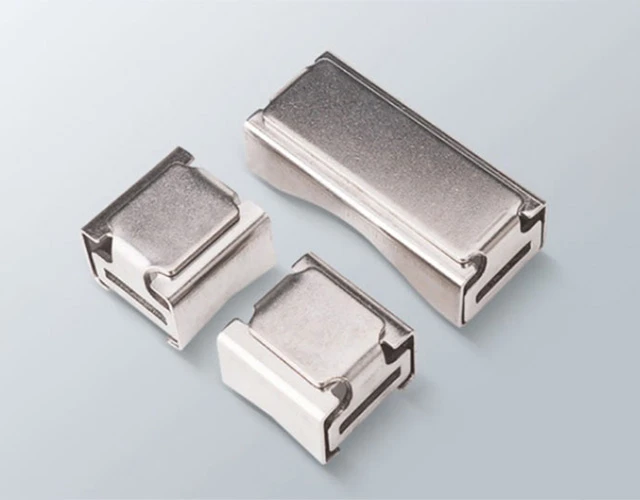
The material of the cable ties should be chosen based on the environment in which they will be used. Nylon 66 is the most common material used for self-locking cable ties, as it offers excellent strength, flexibility, and resistance to chemicals and UV radiation. For applications where high temperature resistance is required, stainless steel cable ties may be a better choice.
If the cable ties will be used in electrical or electronic applications, it is important to choose UL-certified cable ties. UL certification ensures that the cable ties meet strict industry standards for safety and performance, reducing the risk of electrical hazards.
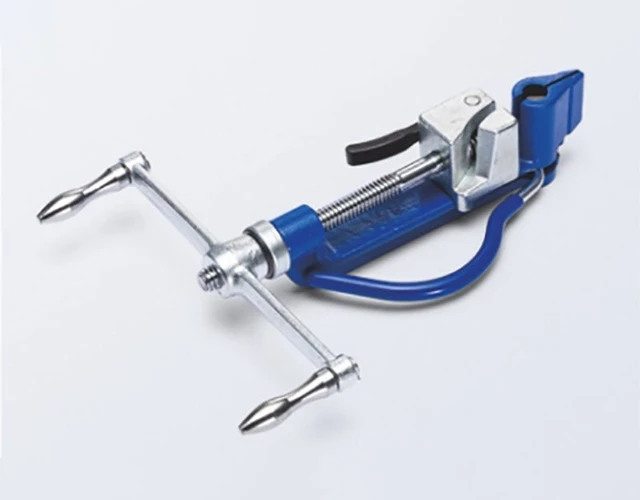
Self-locking cable ties are easy to use, requiring no special tools or training. Simply wrap the tie around the bundle, pull the strap through the locking head, and tighten until the desired tension is achieved. The self-locking design ensures that the tie remains securely in place, even when subjected to vibration or movement.
Self-locking cable ties are a cost-effective solution for cable management and bundling. They are relatively inexpensive to purchase and can be used multiple times, making them a cost-effective alternative to other fastening methods, such as tape, wire, or clamps.
Self-locking cable ties are versatile and can be used for a wide range of applications, from bundling cables and wires to securing materials and components. They are available in a variety of sizes, lengths, and colors, allowing for easy customization and adaptation to different needs.
Made from high-quality Nylon 66, self-locking cable ties are durable and long-lasting. They are resistant to chemicals, abrasion, and UV radiation, making them suitable for use in harsh environments. Additionally, their self-locking design ensures that they remain securely in place, even when subjected to heavy loads or extreme temperatures.
Self-locking cable ties are an essential tool for anyone looking to organize and secure cables, wires, and other materials. With their durable construction, secure locking mechanism, and wide range of applications, they are the industry standard for cable management and bundling. Whether you are a professional electrician, a construction worker, or a DIY enthusiast, self-locking cable ties are a reliable and cost-effective solution for all your fastening needs.Should you have any questions, please do not hesitate to contact us.


 中文
中文 English
 Pусский
 Français
 Español