If you've ever organized wiring, secured equipment, or bundled materials, you've likely used self-locking cable ties. But what most DIYers and even some contractors miss is that there are dozens of specialized variants engineered for specific environments, load capacities, and applications. Picking the wrong one leads to brittle failures, safety risks, or wasted money—mistakes I've fixed hundreds of times over 11 years in industrial electrical contracting.
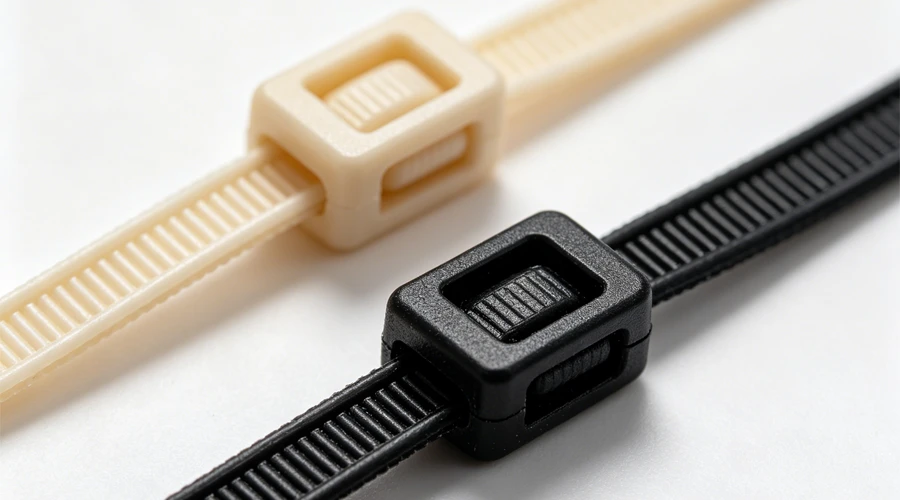
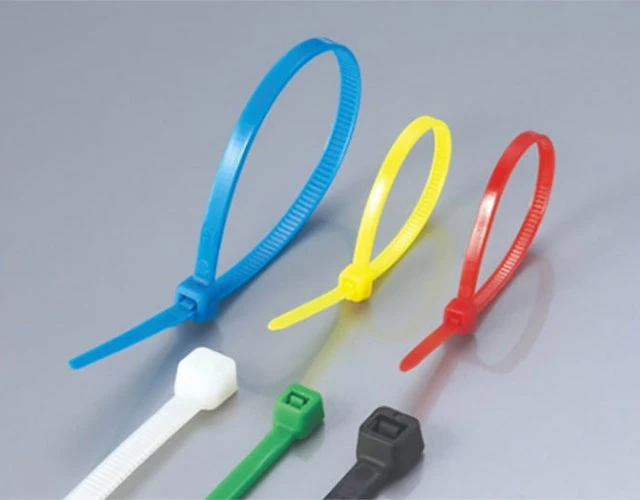
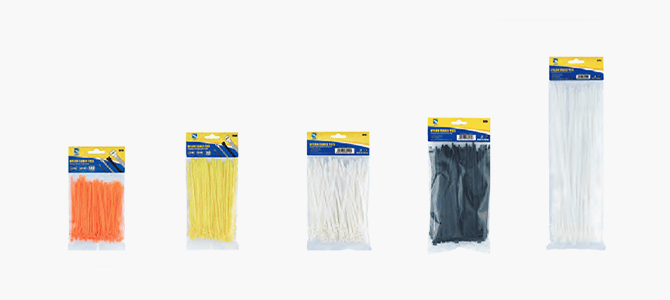
This is the type you'll find in every hardware store, and for good reason. Made from UL 94V-2 certified Nylon 66, they strike the perfect balance of strength, flexibility, and affordability. They work reliably between -35°C and 85°C, offer tensile strengths from 14lbs to 350lbs, and come in lengths from 60mm to 1500mm to handle bundles of any size.
Standard natural ties work great for indoor use in offices, homes, and climate-controlled factories. For any outdoor application, always choose UV-stabilized black nylon ties—the carbon black additive blocks sunlight degradation, extending lifespan from 6 months to 5+ years in direct sun.
browse the full range of standard and specialized bundling solutions
Beyond the basic variant, there are purpose-built nylon ties designed to solve specific problems that standard ties can't handle:
.webp)
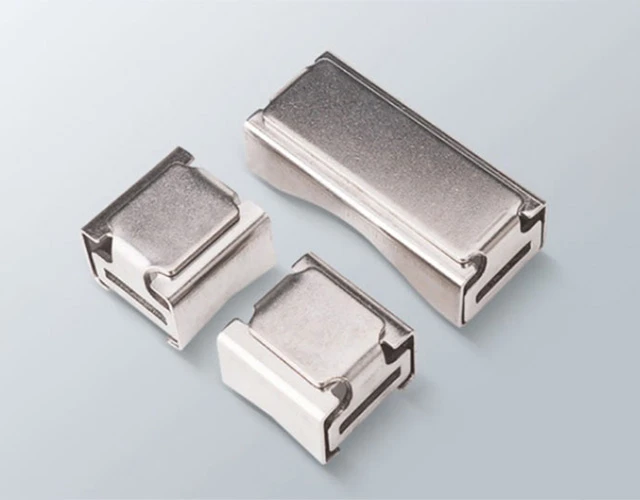
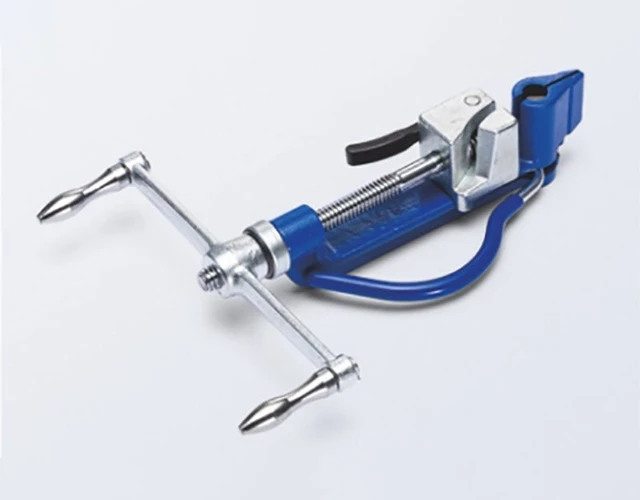
When nylon ties won't cut it—think high heat, corrosive chemicals, or heavy industrial loads—stainless steel ties are the only reliable option. Available in 304 and 316 marine-grade stainless steel, they can withstand temperatures from -80°C to 150°C and offer insane tensile strengths up to 3400lbs.
For extra protection against corrosion and abrasion, opt for epoxy-coated or PVC-coated stainless steel ties. The coating also prevents galvanic corrosion when used with dissimilar metals, making them perfect for marine, chemical processing, and mining applications.
After thousands of installations, I've simplified the selection process to three key questions:
view detailed tensile strength and temperature resistance charts
It's tempting to buy the cheapest bulk ties you can find, but this is a classic penny-wise, pound-foolish mistake. Cheap ties are made from recycled nylon that's brittle, has inconsistent locking strength, and fails prematurely. I've seen entire server racks go down because a $0.02 cheap tie snapped from vibration.
For most general-purpose bundling and permanent fastening needs, self-locking cable ties offer the best balance of strength, ease of use, and cost-effectiveness. Unlike hook-and-loop fasteners that lose grip over time or metal clips that can damage cable insulation, these ties provide a secure, vibration-resistant hold that won't loosen.
ETL has been manufacturing high-quality bundling solutions for over 15 years, with products exported to 50+ countries and trusted by leading electronics and manufacturing corporations. Every batch undergoes 100% testing for tensile strength, locking performance, and material composition, and all standard ties carry UL, CE, and RoHS certifications. We also offer full customization, including custom colors, printed branding, and modified material formulations to meet your exact project requirements.
request custom material and branding options
In conclusion, the right tie for your project depends entirely on where it will be used and what it needs to hold. By understanding the different types available and their limitations, you can avoid costly failures and ensure your installations are safe and long-lasting.


 中文
中文 English
 Pусский
 Français
 Español